

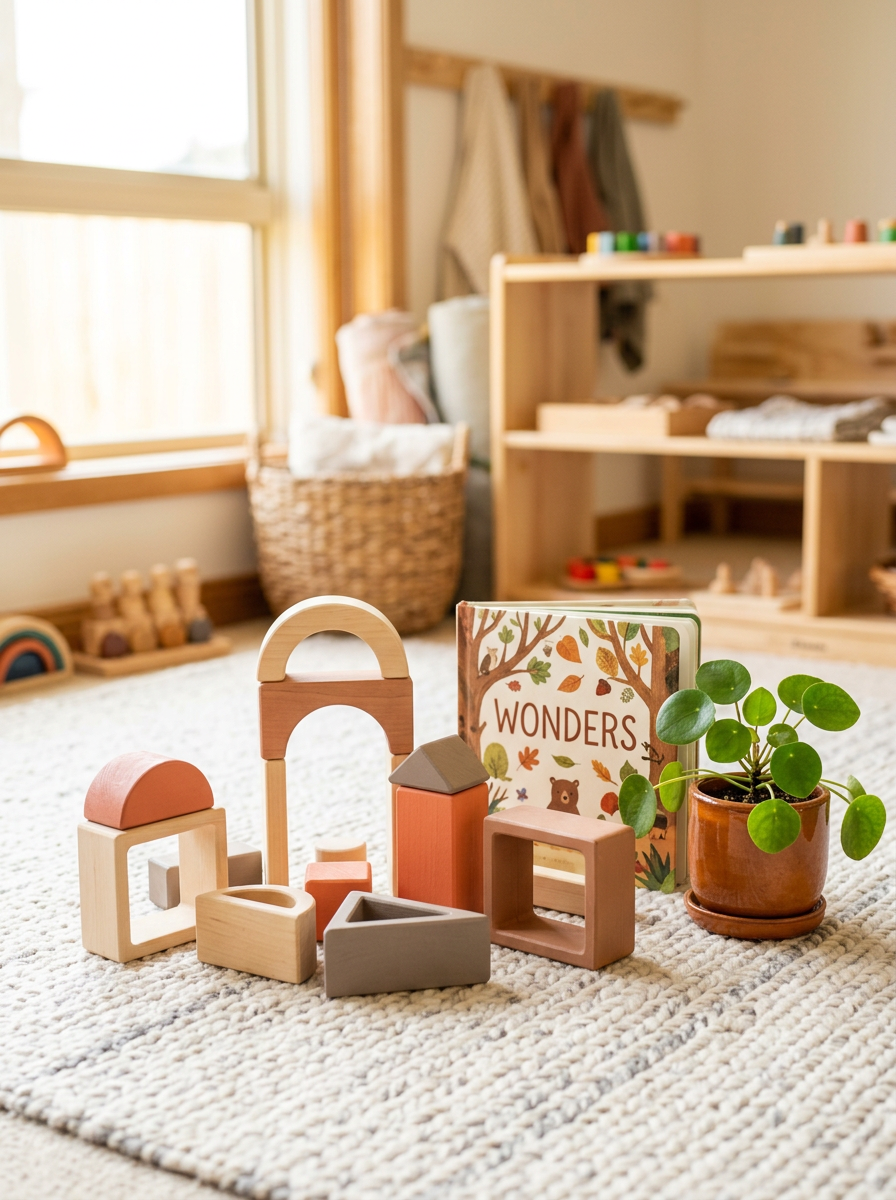
Why Social-Emotional Development Matters
Welcome to Supporting Social & Emotional Development
As an early childhood educator, I believe social and emotional development is just as important as academic development. Children need opportunities to learn how to understand their emotions, communicate their needs, build relationships, solve problems, and manage their behavior. These skills do not develop overnight, and children may need different levels of support depending on their age, experiences, and individual needs. Research has found that early childhood SEL programs can improve children's social and emotional skills, self-regulation, behavior, and early learning (Blewitt et al., 2018).
Where feelings grow into lifelong skills
Practical resources, expert guidance, and proven strategies designed to help educators and families nurture children's social and emotional development.
Early Experiences Matter
Development starts before a child is born. During pregnancy, factors such as maternal stress and the prenatal environment can influence a child's later development. Research has found associations between prenatal maternal stress and later social-emotional and behavioral outcomes, although children's development is also shaped by many experiences after birth. ScienceDirect
Early childhood experiences continue building on this foundation. Children who have caring and responsive adults around them have opportunities to develop trust, communication, emotional regulation, and healthy relationships. On the other hand, ongoing adversity without enough supportive relationships can affect children's stress-response systems and development.Annual Reviews
I think this is important for educators to understand because what we see in an adolescent did not necessarily begin during adolescence. Their earlier relationships and experiences may have contributed to how they handle emotions, relationships, stress, and challenges later in life. At the same time, early experiences do not determine a child's future. Supportive relationships and interventions can continue to make a difference throughout development.
Social-emotional development by stage
Research supports intentionally teaching and practicing social-emotional skills rather than expecting children to simply develop them without guidance. Explore key growth patterns and responsive classroom strategies across each developmental window.
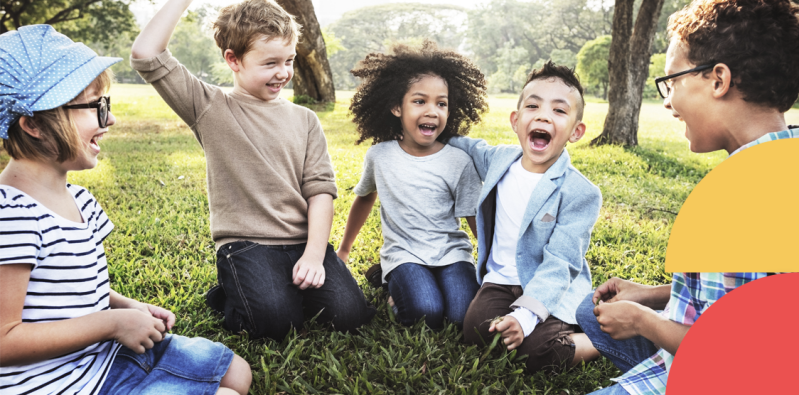
Toddlerhood (ages 1–3)
Toddlers are growing independent but rely on adults to co-regulate. They imitate others, play alongside peers, and experience big emotions when expression is difficult.
Classroom strategies: Emotion picture cards connect words (happy, sad, angry, scared) to feelings, while parallel and small-group play offer gentle practice sharing and communicating.
Early childhood (ages 3–8)
Children actively seek friendships and cooperative play, learning to take turns, express feelings verbally, and recognize peers' emotions with adult support.
Classroom strategies: Dramatic play encourages role-taking and problem-solving, while daily emotion chart check-ins help children label feelings and highlight when a child needs extra care.
Middle childhood (ages 6–12)
Peer belonging becomes vital. Children develop deeper perspective-taking and social awareness, though navigating peer pressure and disagreements still presents challenges.
Classroom strategies: Cooperative group projects foster shared accountability, while discussions around real-life friendship scenarios guide respectful conflict resolution.
Understanding self-regulation
What is self-regulation?
Self-regulation is a child's developing ability to manage their emotions, attention, and behavior in a way that helps them respond appropriately to different situations. For example, a child may feel angry because another child took their toy, but learn to use words or ask an adult for help instead of hitting. Another example is a child becoming frustrated with a challenging task, but taking a break and trying again rather than giving up.
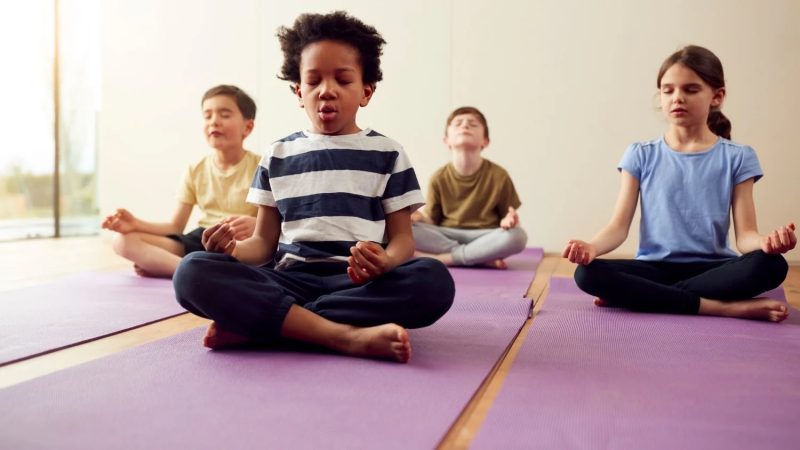
Supporting regulation in the classroom
As educators, we can encourage self-regulation in three practical ways. First, we model our own regulation by speaking calmly and voicing coping methods, such as saying, "I'm getting frustrated, so I'm going to take a deep breath and try again." Second, we can establish a cozy corner filled with sensory materials, fidgets, emotion cards, pillows, and interactive books as a gentle retreat rather than punishment. Third, we teach children to identify their feelings and practice actionable strategies, such as deep breathing, asking for help, taking a pause, or using words to share what hurts. Research in early childhood classrooms firmly highlights that predictable routines, emotionally supportive interactions, and intentional coping tools help young children flourish even when distressed.
Our focus areas
Supporting a child's emotions, relationships, and self-regulation is just as essential as academic learning. Discover actionable resources tailored for home and classroom environments.

Developmental milestones
Understand key emotional and social growth stages across early childhood. Learn what to look for and how to nurture emerging skills naturally.

Self-regulation strategies
Explore realistic tools to help children recognize, talk about, and manage big emotions in everyday routines, calm corners, and transitions.

Classroom implementation
Equip early learning spaces with responsive routines, calming strategies, and peer-connection activities that foster a compassionate room culture.

Family guidance
Find clear, compassionate ways to navigate tantrums, separation anxiety, and friendship building with gentle, supportive parenting practices.
Supporting SEL at home
Families play a central role in children's social and emotional growth. Rather than treating self-regulation like school homework, embed these skills organically into daily family life so home and school work in harmony.

Toddlerhood
Name emotions out loud as they unfold, such as, "I see that you're upset because it's time to put the toy away." Offer simple choices, like picking between two shirts or two snacks, to foster autonomy gently.
Early childhood
Establish a cozy calming space at home inspired by the classroom corner. While reading or watching shows, explore feelings together by asking, "How do you think that character feels?" or "What could they do differently?"
Middle childhood
Hold open conversations about school, friendships, and emotions without immediately trying to fix problems. Help children reflect on conflicts by asking what occurred, how peers felt, and constructive choices for next time.
Resources & References
Our guidance is rooted in peer-reviewed early childhood and developmental research:
- Blewitt, C., Fuller-Tyszkiewicz, M., Nolan, A., Bergmeier, H., Vicary, D., Huang, T., McCabe, P., McKay, T., & Skouteris, H. (2018). Social and emotional learning associated with universal curriculum-based interventions in early childhood education and care centers: A systematic review and meta-analysis. JAMA Network Open, 1(8), e185727.
- McEwen, C. A., & McEwen, B. S. (2017). Social structure, adversity, toxic stress, and intergenerational poverty: An early childhood model. Annual Review of Sociology, 43, 445–472.
- Savina, E. (2021). Self-regulation in preschool and early elementary classrooms: Why it is important and how to promote it. Early Childhood Education Journal, 49, 493–501.
"Where Feelings Grow changed how I view everyday disruptions. Now I have simple, tangible ways to help little ones navigate overwhelming feelings before they spiral."
Early childhood educator Francia Mars
Nurturing hearts alongside growing minds
When children feel understood and equipped to process emotions, their ability to learn, connect, and thrive expands effortlessly. Explore our comprehensive articles and curated guidance.
Frequently asked questions
Learn more about how Where Feelings Grow supports parents, caregivers, and early childhood educators through practical, research-informed guidance.

Get in touch
Where Feelings Grow
Available entirely online
Online availability
Mon - Fri: 9:00 am - 5:00 pm
Saturday: By appointment
Sunday: Closed
Francia Mars
Direct contact
333-555-0606
fmars@my.gcu.edu
Create Your Own Website With Webador